<strike id="bywwb"></strike>
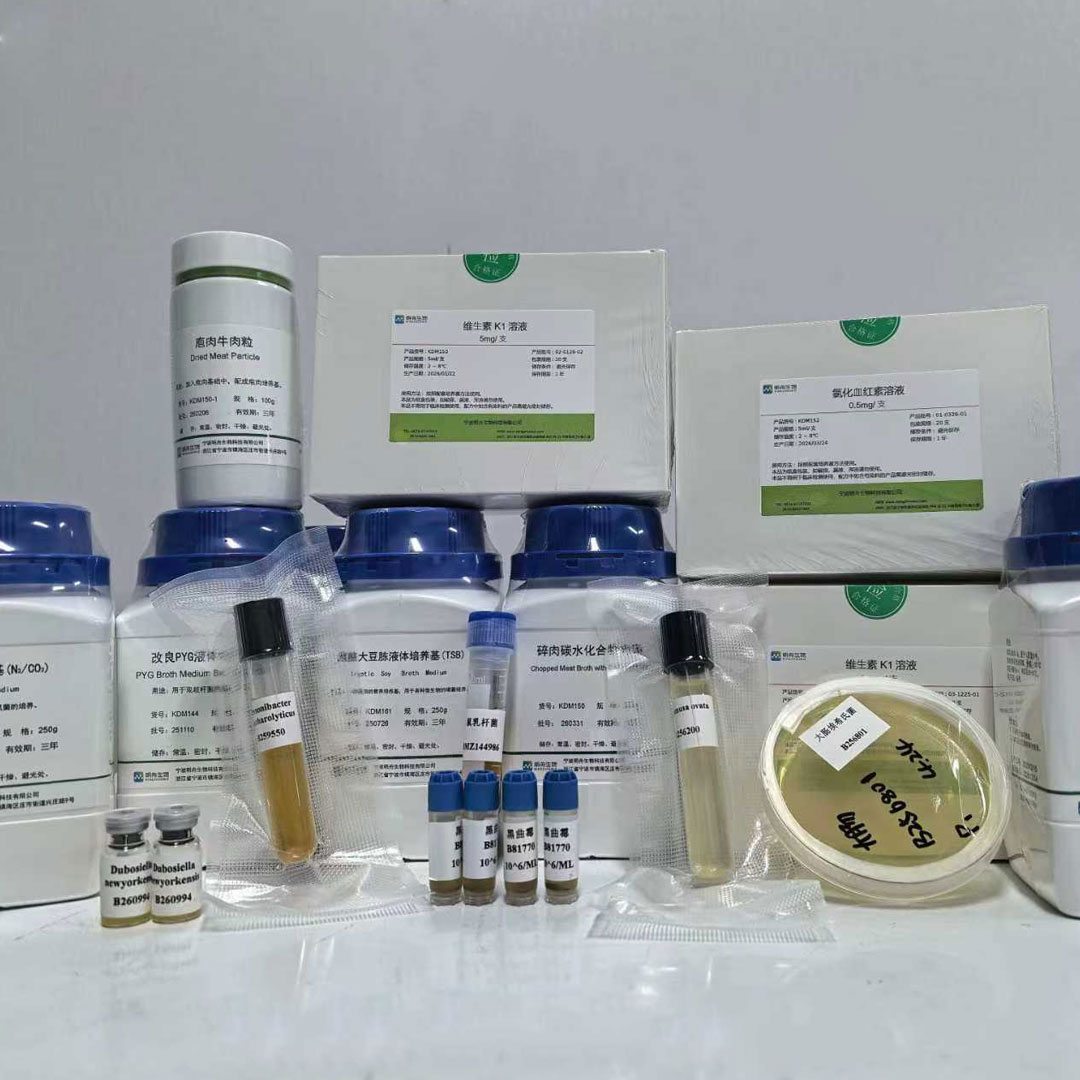
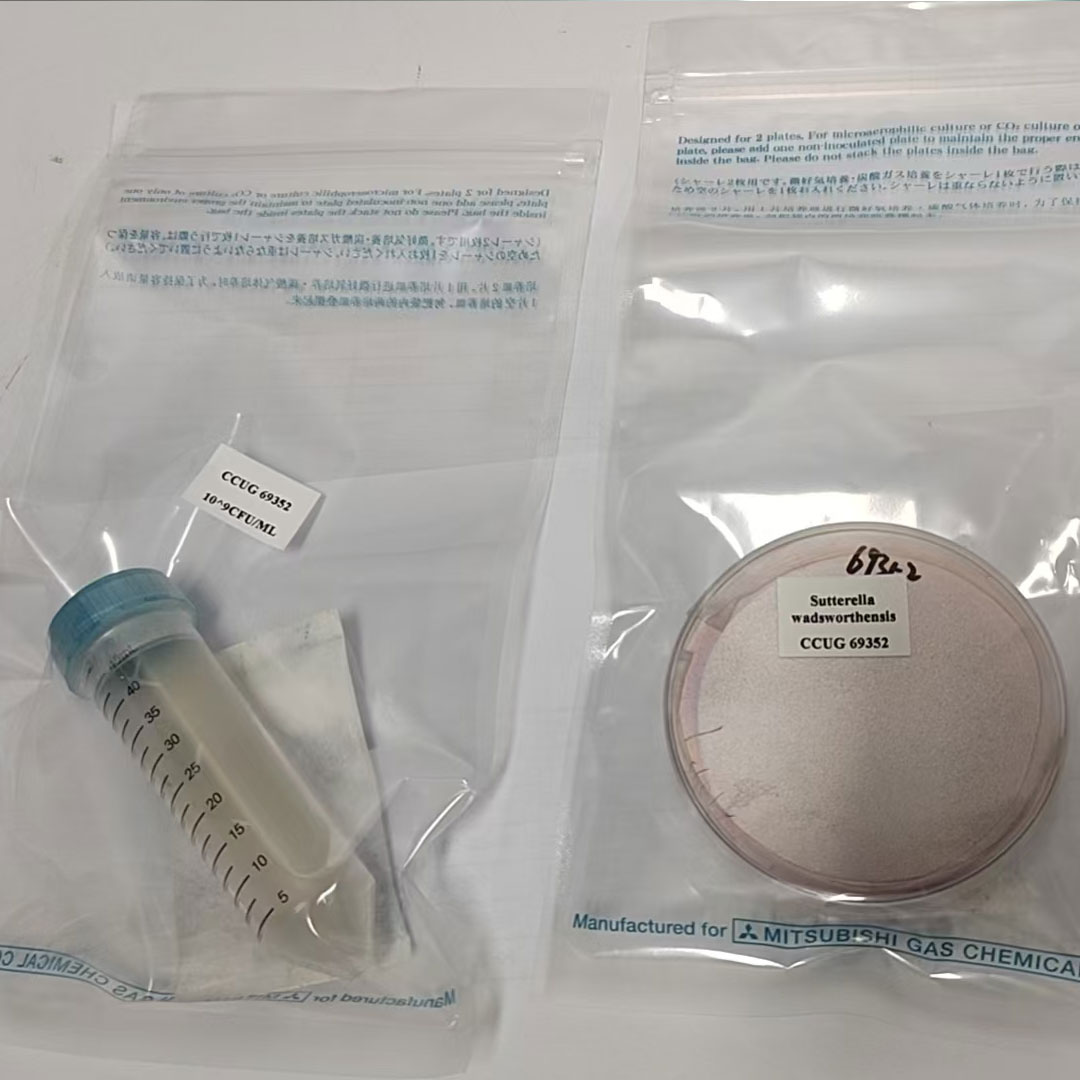
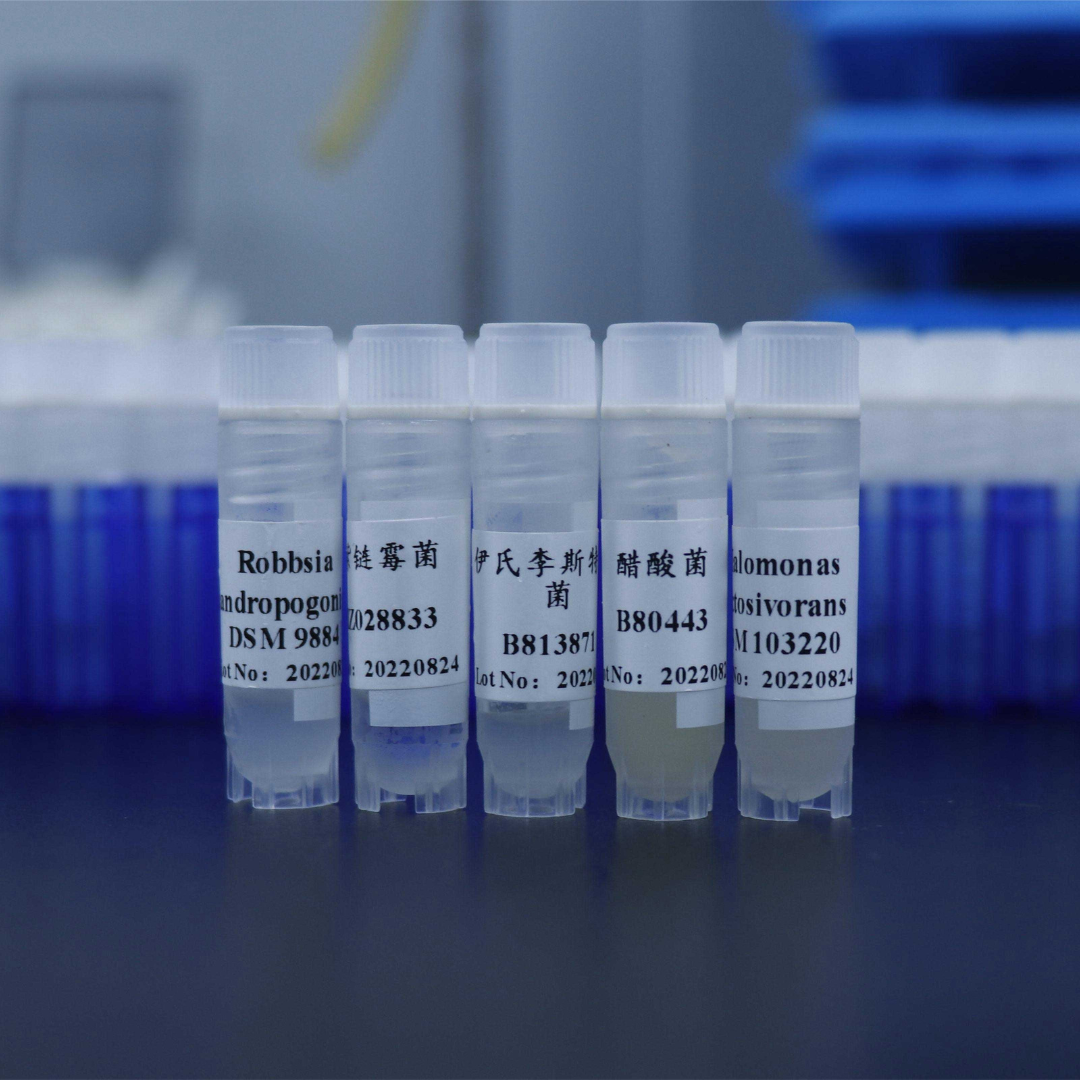
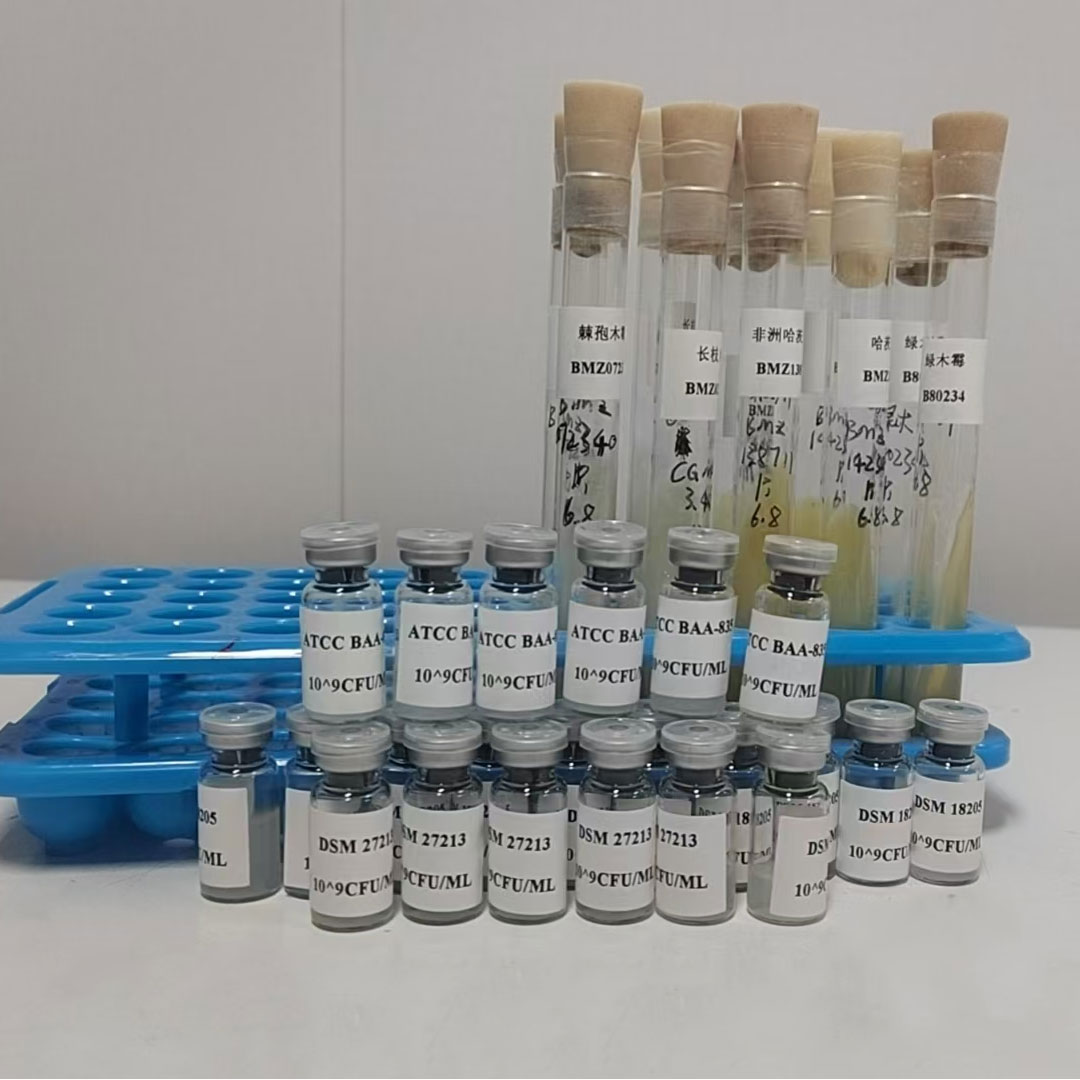
Biosafety classification is based on U.S. Public Health Service Guidelines, it is the responsibility of the customer to ensure that their facilities comply with biosafety regulations for their own country.
1. ? Prepare a 10% (v/v) sterile DMSO solution in fresh ATCC Medium 355.?
2.?? Transfer a culture at peak density to centrifuge tubes and centrifuge at 525 x g for 5 minutes.
3.?? Remove the supernatant and resuspend the cells in ATCC medium 355 to a concentration of 2 x 10⁶ to 2 x 10⁷ cells/ml.
4.?? Mix the cell preparation and the DMSO in equal portions. Thus, the final concentration will be between 106 and 107 cells/ml and 5% (v/v) DMSO.
5.?? Distribute the cell suspension in 0.5 ml aliquots into 1.0-2.0 ml sterile plastic screw-capped cryules (special plastic vials for cryopreservation).? The time from the mixing of the cell preparation and DMSO stock solution before the freezing process is begun should be no less than 15 min and no longer than 30 min.
6.?? Place the vials in a controlled rate freezing unit.? From room temperature cool at -1°C/min to -40°C.? If the freezing unit can compensate for the heat of fusion, maintain rate at??????? -1°C/min through the heat of fusion.? At -40°C plunge into liquid nitrogen. Alternatively, place the vials in a Nalgene 1°C freezing apparatus.? Place the apparatus at -80°C for 1.5 to 2 hours and then plunge ampules into liquid nitrogen.? (The cooling rate in this apparatus is approximately???????? ????-1°C/min.) ?
7. The frozen preparations are stored in either the vapor or liquid phase of a nitrogen freezer.
8.?? To establish a culture from the frozen state place an ampule in a water bath set at 35°C (2-3 min). Immerse the vial just sufficient to cover the frozen material. Do not agitate the vial.
9.?? Immediately after thawing, aseptically remove the contents of the ampule and inoculate into 5 ml of fresh ATCC medium 355 in a 16 x 125 mm screw-capped test tube. Incubate upright at 25°C with caps screwed on tightly.
Figueiredo EN, et al. Enzymes of the ornithine-arginine metabolism of trypanosomatids of the genus Crithidia. J. Protozool. 25: 546-549, 1978.
Conchon I, et al. Trypanosomatids, other than Phytomonas spp., isolated and cultured from fruit. J. Protozool. 36: 412-414, 1989.
Gazzinelli RT, et al. Distribution of carbohydrates recognized by the lectins Euonymus europaeus and concanavalin A in monoxenic and heteroxenic trypanosomatids. J. Protozool. 38: 320-325, 1991. PubMed: 1787421
J. Parasitol. 29: 196-205, 1943.
Rahman MD, Pascal RA Jr.. Inhibitors of ergosterol biosynthesis and growth of the trypanosomatid protozoan Crithidia fasciculata. J. Biol. Chem. 265: 4989-4996, 1990. PubMed: 2318878
Analytical microbiology. vol. 2New York: Academic Press; 1972.
Clark CG. Riboprinting: A tool for the study of genetic diversity in microorganisms. J. Eukaryot. Microbiol. 44: 277-283, 1997. PubMed: 9225441
Iwai K, et al. Purification and properties of dihydrofolate reductase from Crithidia fasciculata. Agric. Biol. Chem. 45: 113-120, 1981.
Goncanlves De Lima VM, et al. Comparison of six isoenzymes from 10 species of Crithidia. J. Protozool. 29: 397-401, 1982.
Teixeira MM, Camargo EP. Monoclonal antibodies for the identification of trypanosomatids of the genus Phytomonas. J. Protozool. 36: 262-264, 1989.
Teixeira MM, et al. Characterization of the target antigens of Phytomonas-specific monoclonal antibodies. J. Eukaryot. Microbiol. 42: 232-237, 1995.
Seed JR, et al. The catabolism of Tryptophan to indole-3-ethanol by Crithidia fasciculata and Phytomonas davidi. J. Protozool. 32: 20-25, 1985.
Ziegler I, et al. Adaptive use of N2-Dimethyl-substituted pterins by cultures of Crithidia fasciculata. J. Protozool. 28: 354-357, 1981.
Fish WR, et al. The cyclopropane fatty acid of trypanosomatids. Mol. Biochem. Parasitol. 3: 103-115, 1981. PubMed: 7254247
Teng SC, et al. A new non-LTR retrotransposon provides evidence for multiple distinct site-specific elements in Crithidia fasciculata miniexon arrays. Nucleic Acids Res. 23: 2929-2936, 1995. PubMed: 7659515
Glassberg J, et al. Isolation and partial characterization of mutants of the trypanosomatid Crithidia fasciculata and their use in detecting genetic recombination. J. Protozool. 32: 118-125, 1985. PubMed: 3857343
Camargo EP, et al. Electrophoretic analysis of endonuclease-generated fragments of k-DNA, of esterase isoenzymes, and of surface proteins as aids for species identification of insect trypanosomatids. J. Protozool. 29: 251-258, 1982. PubMed: 6284925
Da Silva JB, Roitman I. Effect of temperature and osmolarity on growth of Crithidia fasciculata, Crithidia hutneri, Crithidia thermophila, and Herpetomonas samuelpessoai. J. Eukaryot. Microbiol. 29: 269-272, 1982.
Fernandes O, et al. Mini-exon gene sequences define six groups within the genus Crithidia. J. Eukaryot. Microbiol. 44: 535-539, 1997. PubMed: 9435125
Cho J, Eichinger D. Crithidia fasciculata induces encystation of Entamoeba invadens in a galactose-dependent manner. J. Parasitol. 84: 705-710, 1998. PubMed: 9714198
Baker H, et al. Biopterin content of human and rat fluids and tissues determined protozoologically. Am. J. Clin. Nutr. 27: 1247-1253, 1974. PubMed: 4447093